Grade 3 Farm Trip Reflection
From Michelle Vichith, Grade 3 Assistant Class Teacher
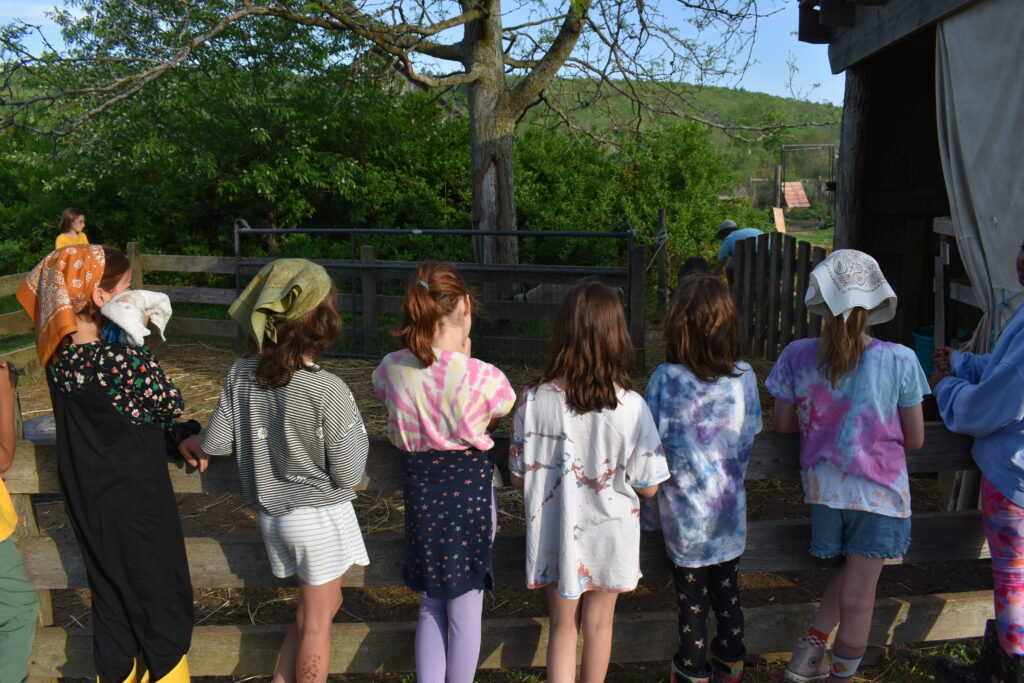
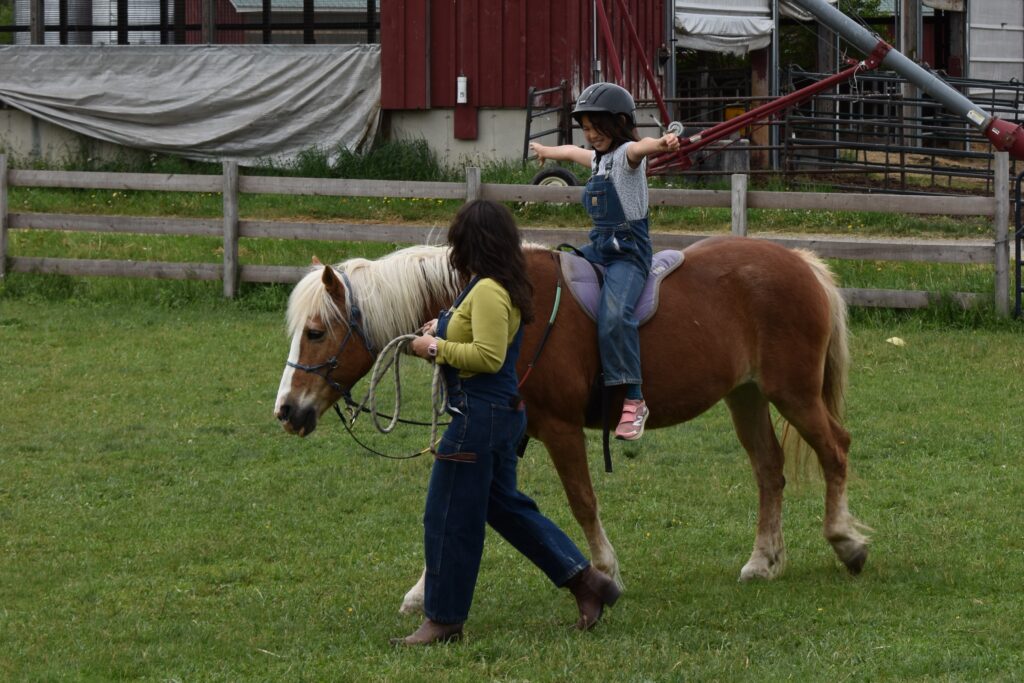
I had the pleasure of accompanying Grade 3 on their recent trip to Hawthorne Valley Farm, and I returned deeply moved by the many meaningful lessons and observations the experience offered. The Grade 3 farm trip is such an important rite of passage for our children. In Waldorf education, around the age of nine is recognized as a significant developmental threshold, it is a time when children begin to experience themselves more distinctly as individuals, separate from the protective sphere of home and family. This journey provides them with a valuable opportunity to practice growing independence, responsibility, and self-reliance within a safe and lovingly supported environment.
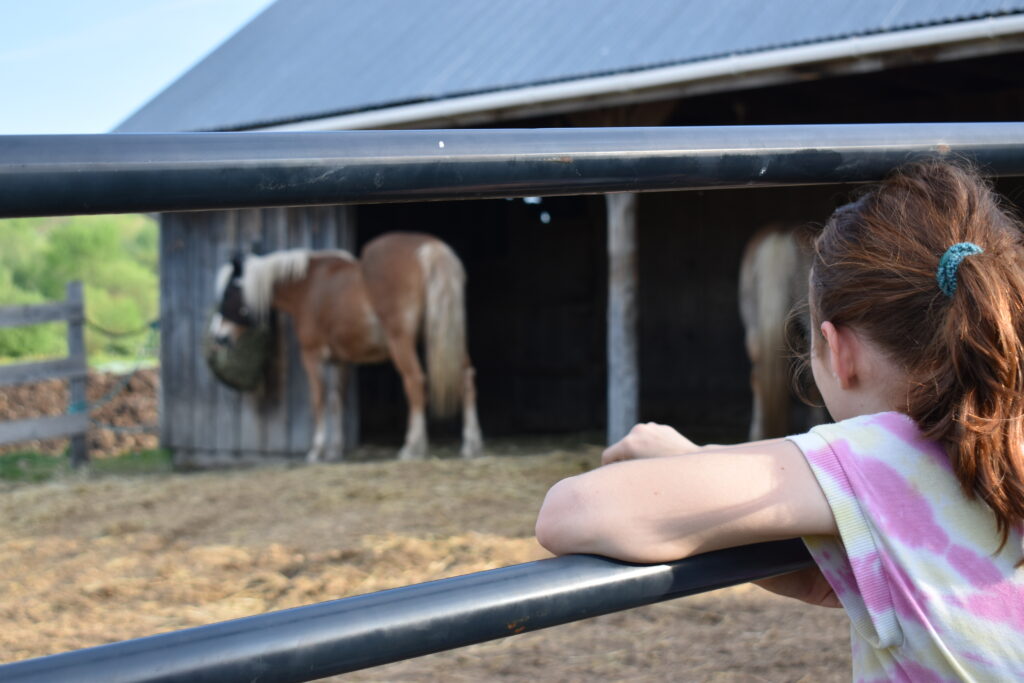
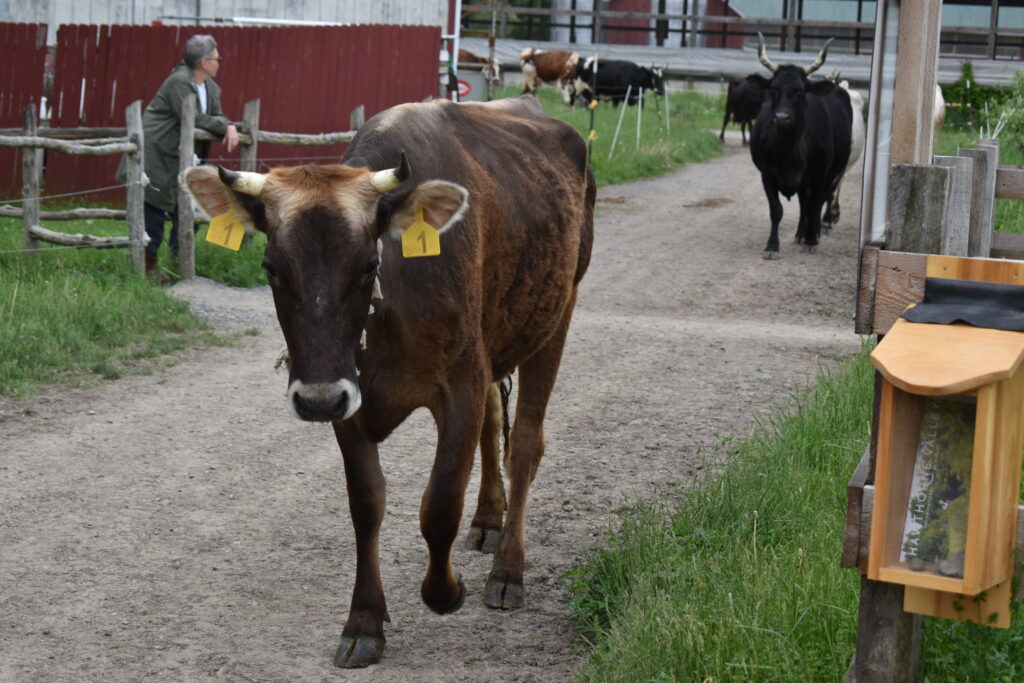
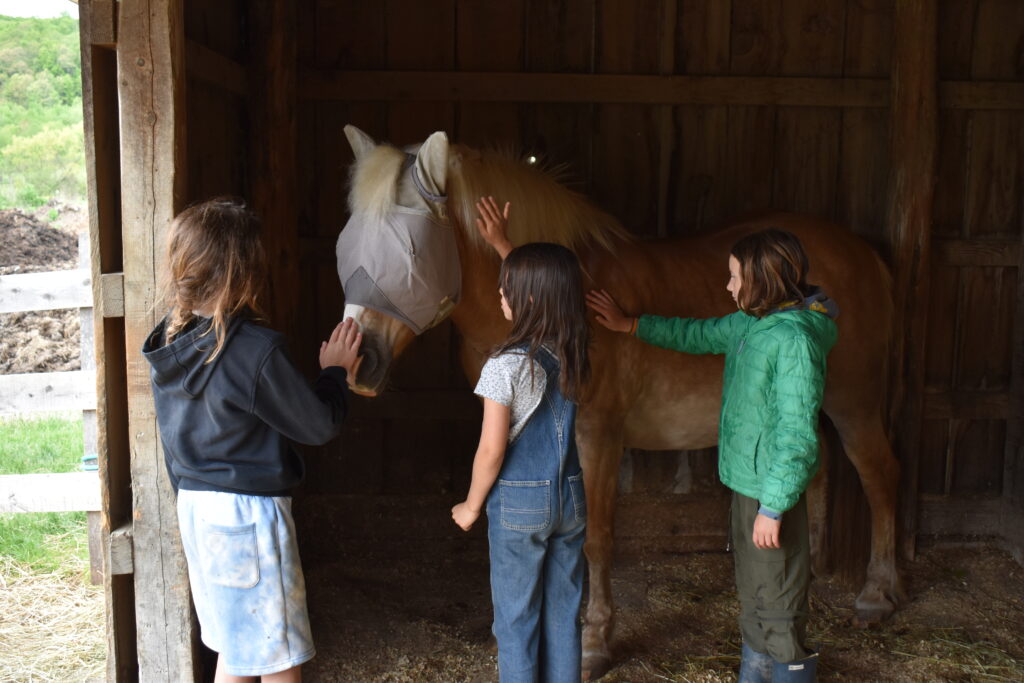
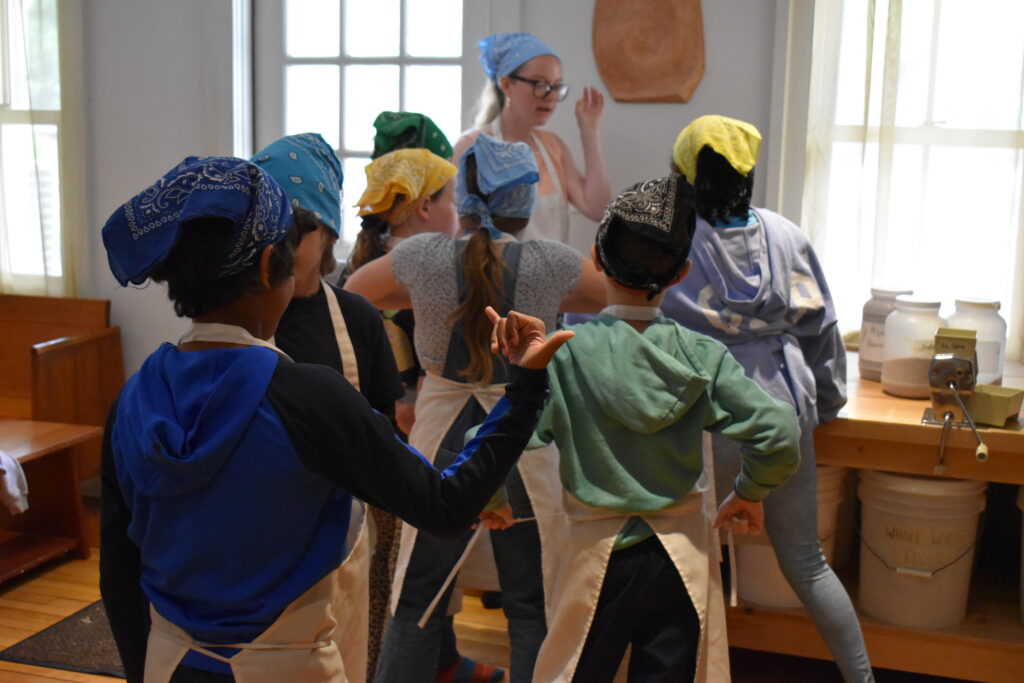
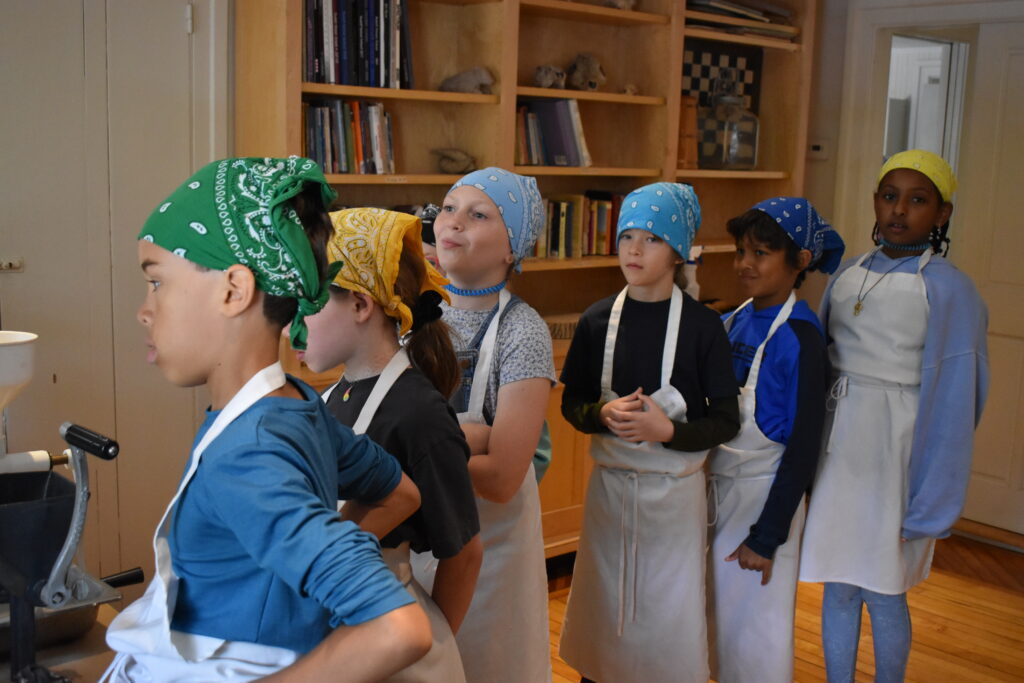
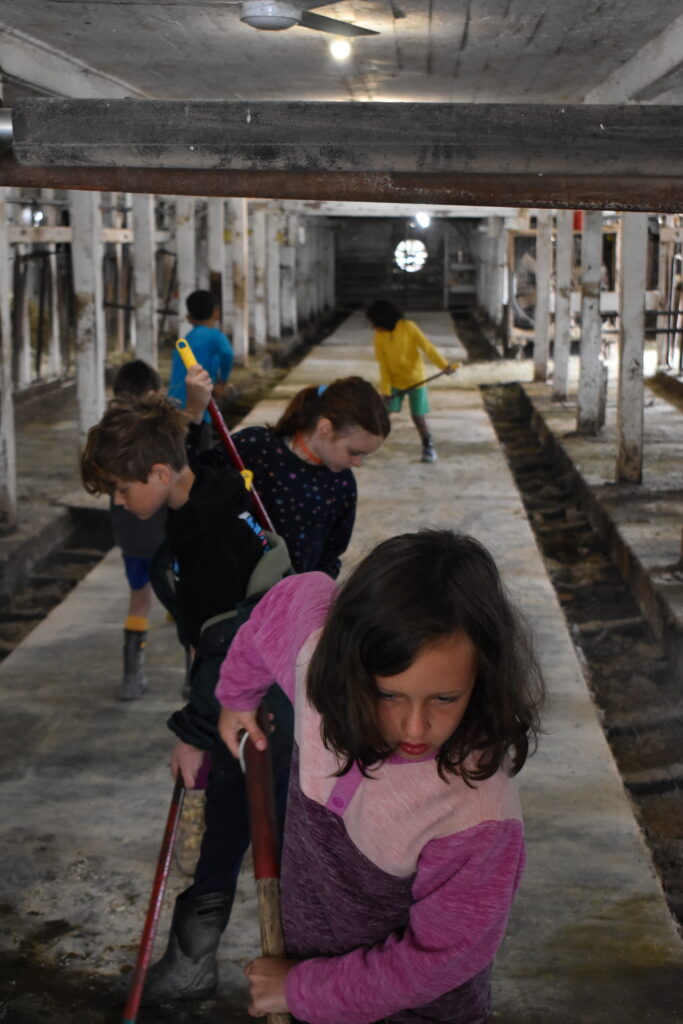
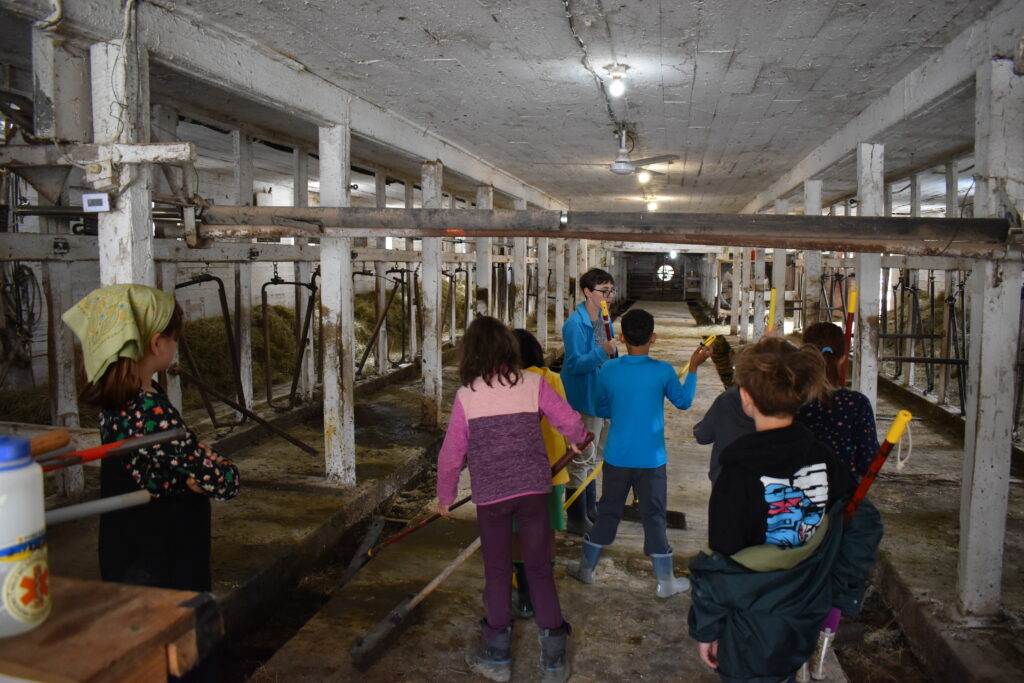
Throughout the trip, the children worked with remarkable enthusiasm and dedication. They mucked stalls, herded cattle, prepared meals, and cared for their shared indoor spaces with genuine purpose. What was especially striking was the joy they found in this meaningful work. The sense of accomplishment was so deeply satisfying that many eagerly sought out additional ways to contribute, even after a full day of activity. It was inspiring to witness how naturally children rise to meet real responsibility when their work carries visible purpose and value.
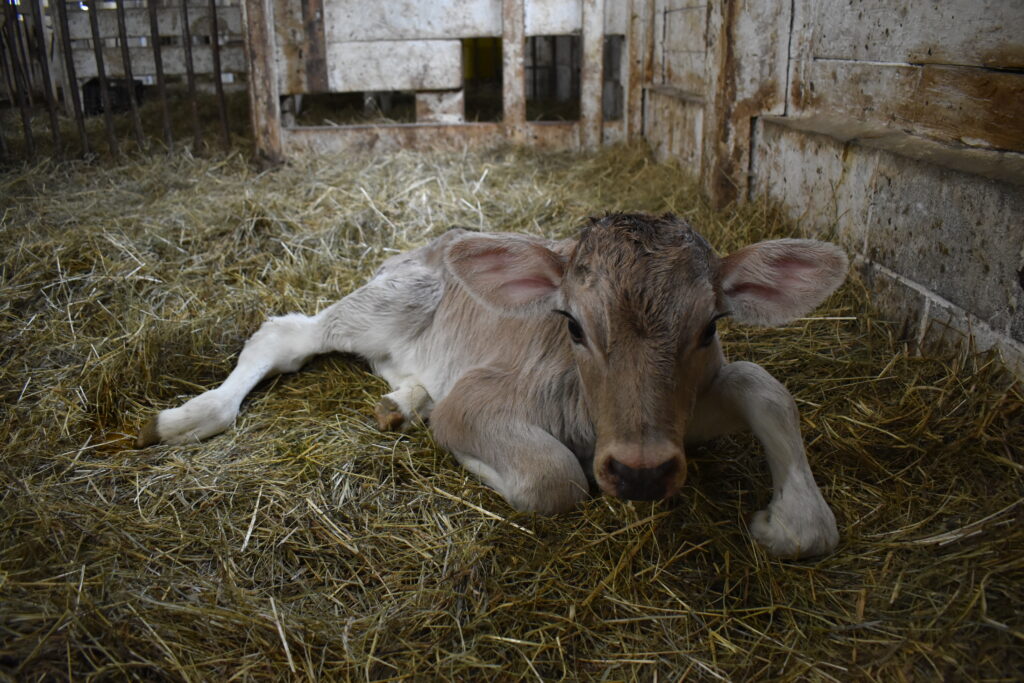
Perhaps the most profound lesson of all was the reverence surrounding each meal. Farm staff joined the children at the tables, creating a space of thoughtful conversation about the origins of the food before them; the animals, plants, soil, weather, and many human hands whose care and labor made each meal possible. This transformed mealtime from a simple routine into a moment of reflection, gratitude, and connection.
In our fast-paced world, it is easy for meals to become hurried and disconnected from their source. At Hawthorne Valley, the children experienced something quite different, an intentional pause to recognize food as a gift born of the relationship between people and the land, effort and nourishment, giving and receiving. This practice of reverence cultivates gratitude, mindfulness, and an awareness of our interdependence with the natural world. It is a quiet but powerful lesson that reminds us that when we approach nourishment with appreciation and presence, we foster not only healthier habits, but also a deeper sense of respect for the world that sustains us.